Sustainabite Journal
Can you eat locally grown food in BC in winter?
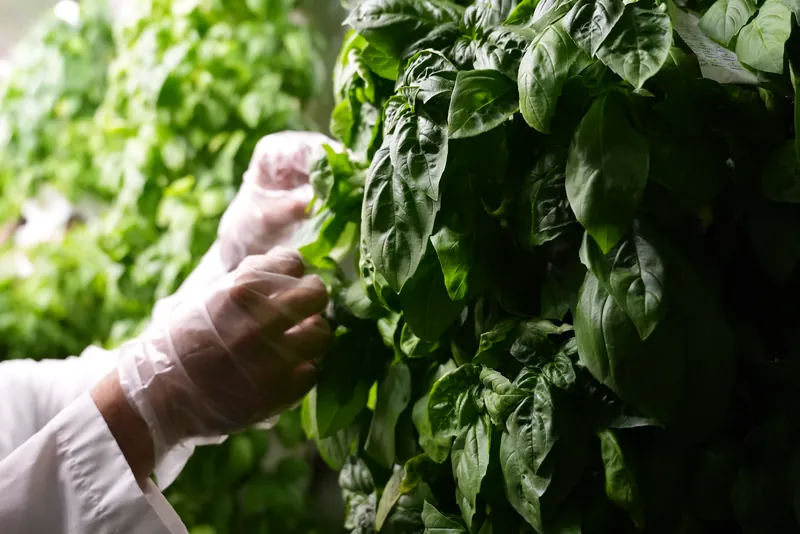
Local winter food in BC is not limited to vegetables stored after harvest. At Sustainabite in Surrey, we grow fresh basil year-round indoors and supply grocery stores. Stored crops, protected growing and small indoor projects each play a different part in keeping locally grown food available.
Fresh basil from our Surrey farm, even in winter
Our operating container farm gives us a hands-on view of year-round indoor production. We grow, harvest and pack basil for grocery retailers, with delivery forming part of the working routine. Indoor lighting and a controlled growing environment let us keep growing beyond the outdoor season.
That experience informs the container systems and practical growing support we offer. You can see more of the operation on Our Farm.
Three ways local food reaches a winter table
A local winter meal can draw on more than one growing season or method. This is a useful way to sort your choices.
- Store the harvest
Grown earlier
BC-grown potatoes, squash and apples kept after harvest.
Ask: Where was it grown? - Keep growing
Protected & indoor
Fresh crops grown under protection, including our Surrey basil.
Ask: What is available now? - Grow your own
Home & community
A manageable indoor project built around your space and time.
Ask: Who will care for it?
1. Buy food grown earlier and stored
Storage extends the season for crops that keep well after harvest. Buy BC's seasonal guide distinguishes fresh produce, stored or preserved food, and greenhouse production. Check growing location and availability with the seller.
For a winter shopping list, look for BC-grown potatoes, winter squash and apples. Buy BC explains how controlled storage extends potato availability and how controlled-atmosphere storage keeps apples available after harvest. Winter squash is another autumn crop suited to storage.
These foods can sit alongside freshly grown herbs in the same meal.
2. Look for fresh greenhouse and indoor-grown food
Our year-round basil is one example of fresh local production continuing through winter. Across Canada, protected growing also includes crops such as tomatoes, cucumbers, lettuce and fine herbs, as recorded in Statistics Canada's greenhouse report. Availability depends on the grower and the crop.
Greenhouses and fully indoor farms manage light and growing conditions differently. Hydroponics describes growing with a nutrient solution; it can be used in several kinds of growing space. The method, crop and operating routine need to work together.
For someone planning to grow commercially, the useful question is what the chosen system can produce for real customers at your location. Our container farm feasibility checklist walks through the crop, customer, site, people and budget decisions behind that question.
3. Start a manageable home or community project
You can also grow some food indoors yourself. Herbs and leafy greens are useful crops to explore with suitable lighting and regular care. University of Minnesota Extension's small-scale hydroponics guide explains the growing setup and ongoing tasks.
Before choosing equipment, decide:
- Your crop: What do you want to eat or learn to grow?
- Your space: Where can the setup stay without obstructing daily life?
- Your routine: Who will check it, including when you are away?
- Your budget: What can you spend on the setup and on keeping it running?
We bring practical growing experience to helping people make those choices. Explore Grow at Home for help starting a setup or caring for what you already grow.
For a school or community group, agree who maintains the project, who receives the harvest and what happens during holidays or staff changes. The Farm to School BC indoor growing guide is a useful learning resource. Our community growing support can help you plan or improve a project around the people who will run it.
Finding local food in Surrey and the Lower Mainland
The City of Surrey's local food page brings together ways to buy, grow and share food. Use it to find options nearby, then ask three questions: where was this crop grown, is it freshly harvested or stored, and what is available this week?
For outdoor growing, Surrey's community gardens have their own membership and waitlist arrangements. Check their growing season when planning a project; an indoor setup has different space, light and care needs.
From a winter meal to your own growing project
Year-round basil at our Surrey farm is a practical example of how local production can continue beyond the outdoor season. Stored harvests, protected farms and smaller growing projects each contribute something useful.
If you want to grow rather than only shop differently, start with your crop, space and the time available to care for it. Sustainabite can help you plan your next growing step, from an early idea to practical setup support.