Sustainabite Journal
Before you buy a container farm in Canada: a feasibility checklist
At Sustainabite, we operate a container farm in Surrey, growing basil year-round for grocery retailers. Our work includes growing, harvesting, packing and delivery. That experience shapes how we help people plan a growing project and choose a container system.
A useful container farm business plan connects the crop, the customer, the site, the people and the budget. Use this checklist to work through those decisions before you commit to equipment. Our project planning and startup support can help turn the open questions into a practical next step.
Crop
What will you grow, and in what format?
Customer
Who wants it, and what do they need?
Site
Where will the farm operate?
People
Who will run the whole working week?
Budget
What will it cost to start and operate?
1. Define what success means for your project
Our farm grows a product for grocery customers. A school learning project or a community food program may use similar technology while serving a different purpose. Write down what your project needs to achieve: repeat sales, harvests for a program, or growing sessions for learners.
If revenue will not cover operating costs, identify the funding source and how long it is committed. Research on containerized agriculture in Inuvik, in northern Canada, highlights financial, technical and social constraints on adoption. The planning lesson is to account for the people and resources needed to keep a project running. Read the northern Canada study.
2. Plan the crop and customer together
For us, growing basil for grocery retailers connects crop planning to harvesting, packing and delivery. A crop has to fit the way it will be sold and used. Start with the product your customer wants, then work out the growing capacity and routine needed to supply it.
For each proposed crop, record:
- Product format: Living plant, cut herb, whole head or another clearly defined item.
- Customer: The buyer or program receiving it, with evidence of their needs.
- Quantity: A realistic weekly requirement, including seasonal changes.
- Quality and packing: The format, packaging and delivery expectations.
- Price evidence: An actual discussion or comparable offer, dated and clearly labelled.
Record expressions of interest separately from purchase commitments. If several crops will share a system, check how their spacing, harvest schedules and growing requirements fit together. Bring that crop and customer brief when discussing our SB-40 and Arctic container farms.
3. Check the site before choosing the final configuration
The farm needs a workable place to grow, and the team needs access to operate it. Our own work extends from crop care to packed basil leaving the farm; your site plan should cover those movements as well as the equipment footprint.
- Confirm the location and your permission to use it.
- Check delivery access, placement and service access.
- Obtain the supplier's electricity, water, drainage and operating requirements for the exact system.
- Confirm the local approvals and professional checks that apply.
- Plan for alarms, outages and access when the usual operator is absent.
Use a project-specific site checklist and confirm local requirements with the relevant authority and qualified trades. If you are still deciding what a space could support, our land and space consulting helps you explore the options before choosing a growing system. Our farm FAQ also helps you prepare the practical questions.
4. Plan the whole working week
Growing, harvesting, packing and delivery all belong in our operating routine. Your labour plan should follow the crop through the same stages relevant to your business, including the time between a harvest and the customer receiving it.
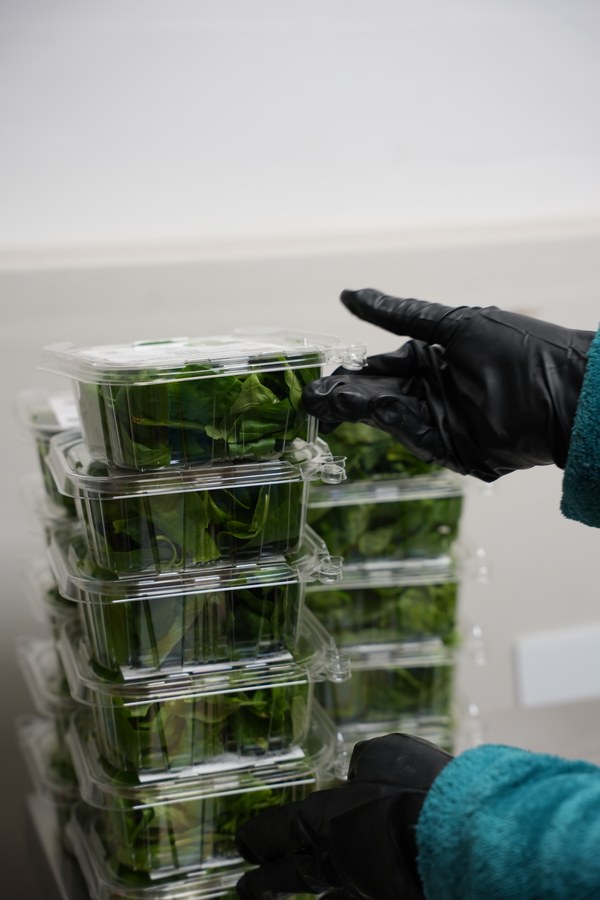
Also allow for cleaning, ordering supplies, keeping records, handling customers and routine maintenance. List each task, the person responsible and a backup. Remote monitoring helps you see what is happening; someone still needs to act when a crop or equipment needs attention.
Training should include the people who will actually run the farm. Sustainabite's systems include project-specific whole-team training. Ask how training and ongoing support fit your staffing plan.
5. Budget both startup and an operating month
Build one budget for getting the farm ready and another for keeping it running. Ontario's Starting a Farm guide identifies both startup and operating capital as requirements for a greenhouse business.
For startup, request a dated quote showing the farm equipment, shipping and placement, site preparation, utility connections, installation, commissioning, training and first-cycle supplies. Make the currency clear, and identify taxes, payment stages, optional services and excluded work.
For an operating month, account for labour, utilities, growing supplies, packaging, delivery, software or service charges and maintenance. Keep site costs, financing and taxes visible in your project budget.
Build your sales forecast from what customers are likely to accept and pay for. Then test a slower sales start, unsold harvest or a repair interruption. Use the result to decide what customer evidence, contingency or working capital you still need.
6. Agree the support you need after installation
Running a farm makes the relationship between equipment, crops and daily routines tangible. Sustainabite offers container systems with training and grower support, as well as paid consulting for planning, setup and improving an existing operation.
Ask what training covers, who should attend, which support is included, how to obtain replacement parts and what needs a separate service agreement. Our pricing and inclusions FAQ is a starting point; your proposal should set out the services, duration and costs for your project.
If you already have a farm and need help with a crop, setup or operating problem, explore support for an existing farm. A new project can start with scoped planning and practical startup help. Scope and fees are agreed by quote.
Your one-page project brief
Bring these seven answers, including what is still unknown, to your next supplier or consulting conversation:
- Purpose: What does the project need to achieve?
- Crop and customer: What will you grow, in what format, and who wants it?
- Evidence: What is confirmed, what is an estimate, and what is still unknown?
- Location: Where will it operate, and which site checks remain open?
- People: Who runs it, sells or distributes the harvest, and covers absences?
- Budget: What is included upfront, what recurs, and what contingency is available?
- Next decision: What must be verified before you commit more money?
Bring what you know so far. Our team can help you work through the open questions.