Why container farming

Your farming ambition shouldn’t have to start with buying acres.

A container farm gives your growing business a compact place to begin. Put a suitable site to work, grow through the seasons and build a local supply around the people you want to serve.

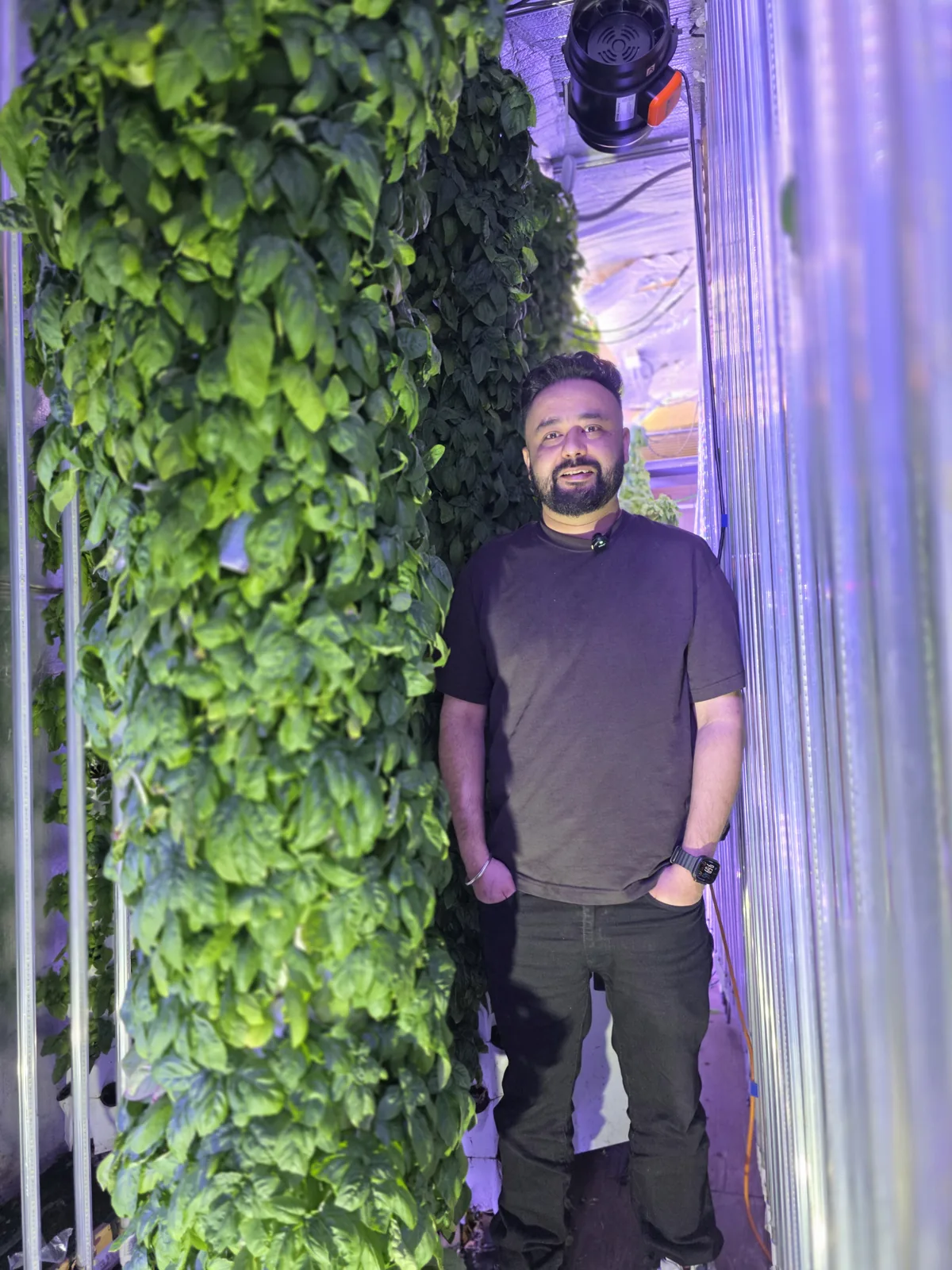
A grower standing beside planted basil towers inside the Sustainabite farm.
Inside our operating farm in Surrey, British Columbia.

01 / Make room for your ambition

Start with a suitable site.
Grow from there.

For an aspiring farmer, finding a large parcel of land can become the first hurdle. Growing vertically inside a container changes the starting point: a dedicated growing space that makes use of height, with room to prepare and handle the crop.

That can open a path for a first farming business, or give an existing grower a way to add indoor production alongside what they already do. Your site still needs power, water and access for the farm and its deliveries. Those practical questions belong at the beginning, when you can plan around them.

Bring us your location and your idea. We can explore how a Sustainabite system fits the space, the crop and the way you want to work.

Look inside the growing system

02 / Keep local on the menu

Make the seasons part of your plan.
Keep growing inside.

A grocer’s shelf or a kitchen’s menu needs fresh ingredients throughout the year. Indoor production gives you a way to plan repeated harvests around that demand, extending the local supply conversation beyond the outdoor growing season.

For a grower, that means thinking in terms of a production schedule: what to start, what to harvest next and when your customers need it. A local relationship can grow around a useful, regular supply.

Canada’s short outdoor growing season helps explain its reliance on imports to meet year-round vegetable demand. It is a useful reason to explore what you could grow closer to your own customers. Canadian vegetable industry overview — Agriculture and Agri-Food Canada

Give the crop an environment you can manage.

Lighting, irrigation and climate systems bring the main growing conditions into a dedicated space. You can observe how a crop responds, adjust the routine and build on what you learn from one cycle to the next.

Choose the configuration for your location.

Our SB-40 and Arctic share a growing system, with Arctic adding cold-weather capability. The choice starts with where you want to grow; the crop plan then shapes how you use the space.

Compare the configurations

03 / A shorter journey to the customer

Put the harvest
closer to the order.

Growing near the shops or kitchens you supply can bring harvest, packing and delivery closer together. That gives you more opportunity to coordinate the harvest with an order and put careful handling into practice along the way.

For fresh herbs, that handling matters: temperature, moisture loss and physical damage all affect quality after harvest. A shorter journey gives you fewer hand-offs to coordinate and a closer connection with the customer using the crop. Fresh-herb handling guidance — UC Davis

Give local a face

A crop with a grower
your customers can know.

Local produce offers a story people can understand: who grew it, where it came from and how it reached them. Canadian consumer research also points to interest in clear Canadian-origin labelling. For a shop or kitchen, knowing the grower also makes it easier to talk about the next order, the pack size or a change in their needs.

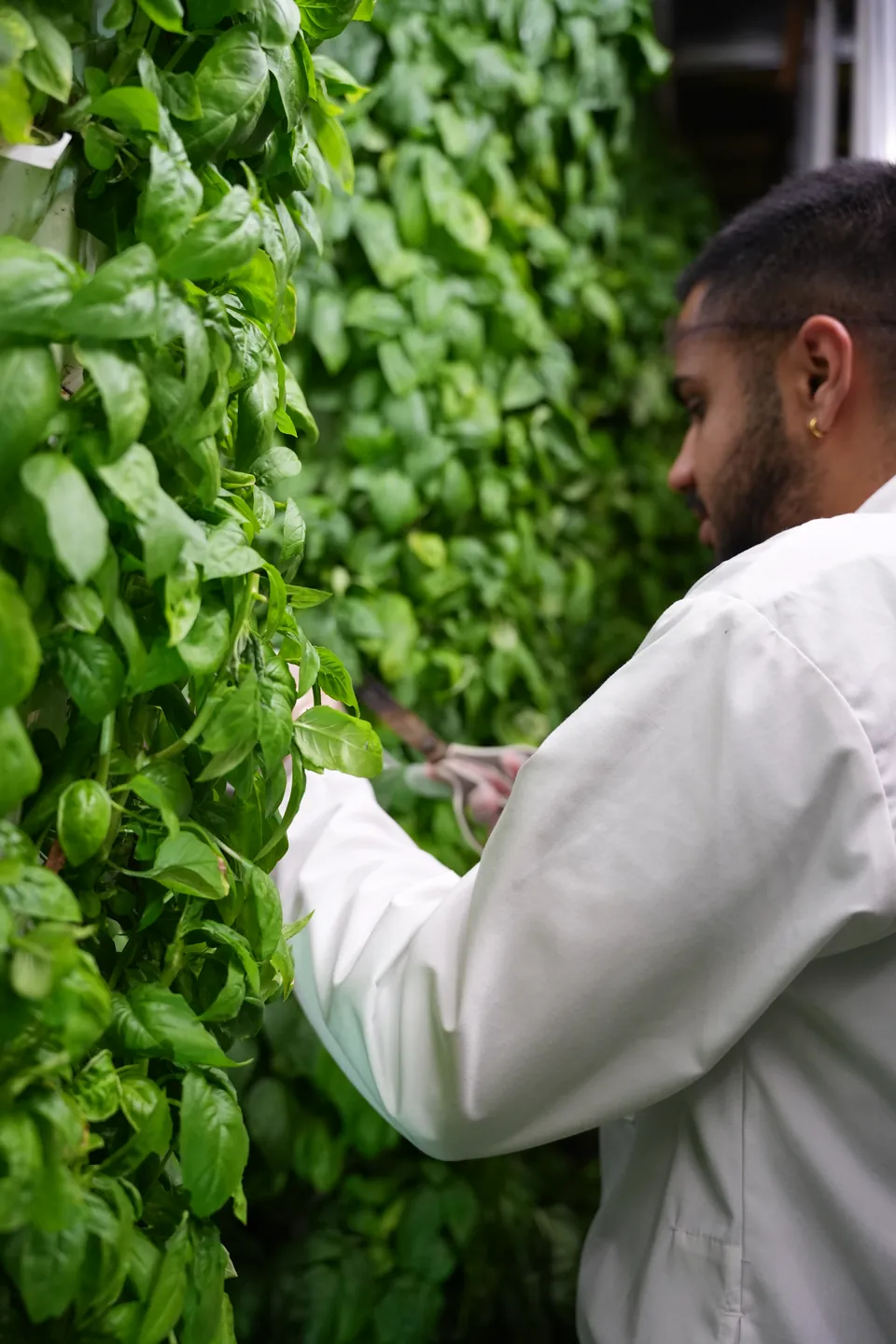
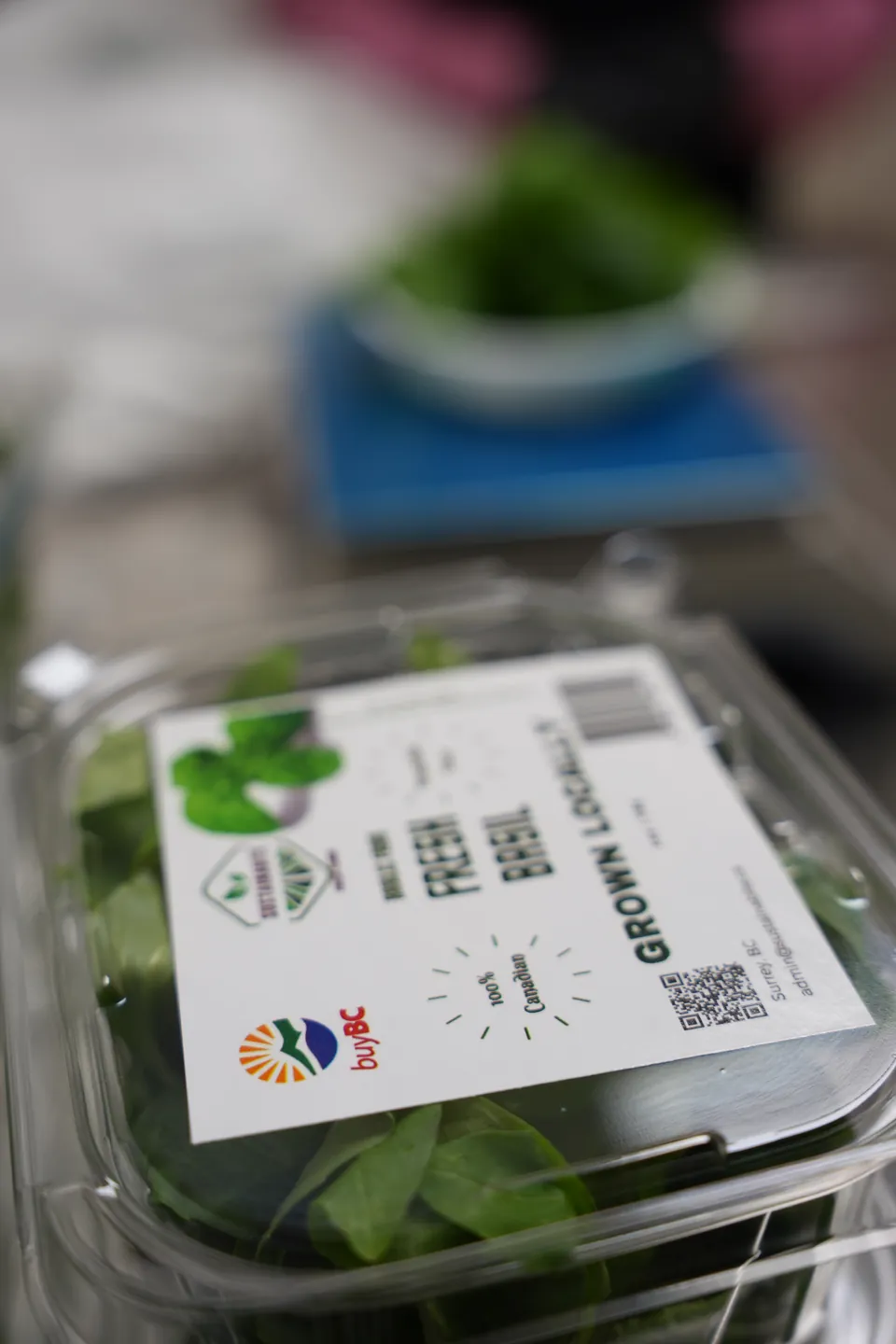
Our Surrey farm puts that relationship into practice. We grow basil, harvest and pack it, and supply local grocery stores. That operating experience sits behind the systems and consulting we offer.

Canadian-origin shopping research — Abacus DataSee the farm behind Sustainabite

04 / Build a farming business

The system is the starting point.
Your routine brings it to life.

A working farm connects crop care with harvest, packing, orders and delivery. Understanding that whole routine helps you decide how the business fits your time, your team and your customers.

Our own operation brings those jobs together every week. It shapes the practical questions we work through with buyers, from planning production to organising the work around a harvest.

Sustainabite systems include operating software and project-specific training until your whole team is trained. You have growers to turn to as you learn the system and establish a routine of your own.

Explore monthly costs & profit

05 / Grow with a purpose

Start with the people
you want to supply.

Plan a crop around a real need.

A grocer may need consistent retail packs. A chef may care about harvest timing, flavour and the quantity they can use each week. Those conversations help you choose a crop, plan a schedule and decide how to pack and deliver it.

Start close to the market you know. Bring us the crop and customer you have in mind, and we can discuss a system or paid consulting to help you work through production and market planning.

Explore harvest and market planning

Make growing a skill your team can share.

A community organisation, school or local enterprise may want a farm that develops practical growing skills as well as produce. A dedicated growing space can give a team a place to learn crop care, take responsibility for a routine and see the results of their work.

Start with the people who will run it and the purpose it will serve. Our team training and consulting can help turn that purpose into a practical plan for growing, handling the harvest and building skills.

Explore training and operating support

Your next step

What would you
like to grow?

Tell us your location, who you want to supply and where you are in the planning. Let’s explore the system and support that fit your project.