← Consulting overview

Start a growing project · Consulting from Surrey, BC

Plan your growing project.
Put it into practice.

Turn an idea, a site or a chosen growing system into a practical plan for what to grow, how to start and what it will take to operate.

Discuss your growing project

You may have land, a greenhouse, an unused building or simply an idea for a growing business. Before committing more money, bring the crop, customer, site and budget decisions together.

Sustainabite helps you compare options and plan a manageable first stage. When you are ready, the work can extend to design review, equipment sourcing, setup, commissioning, hands-on startup and training for the people who will run it.

In-person across Greater Vancouver through Chilliwack · Remote consulting across Canada and worldwide · Contact for a quote

From our own build to daily production

A plan has to work
beyond the setup.

We built and operate our farm in Surrey, growing basil and supplying produce to retail customers. Our work connects planning and setup with crop care, harvest, packaging and delivery. That keeps the practical questions in view: how people will work, what the crop needs and how the finished product reaches a customer.

We bring that operating perspective to your project, so equipment choices, production routines and business assumptions are considered together.

Explore our Surrey farm

Practical operation + technical and economic thinking

Look at the whole project, not just the equipment.

Our team brings master’s qualifications in Agricultural Engineering and Environmental Engineering, and a PhD in Agricultural Economics. Those perspectives connect growing-system and layout choices with water, operating conditions, resource use, costs and the route to market.

Consulting is available across crops and growing systems. We shape the work around the project you want to start and the help needed at its current stage.
Begin where you are

You do not need a finished plan
to make the next decision.

A first conversation can start with an ambition, a space you are considering or equipment already on order. The useful scope depends on the decision ahead.

An idea or early business

What should the first stage look like?

Work through crop interests, potential customers, available time and funds. A small commercial pilot can help you learn about production, handling and sales before committing to a larger setup. This includes home-based enterprises that intend to sell what they grow.

Land, a greenhouse or a building

What could fit this space?

Connect the site’s usable area, services, access and existing infrastructure with the kind of production you want. Whether you own, lease or are still considering the site, we can help identify options and the checks needed before a commitment.

Explore your land or space
A chosen system or equipment

How do we get ready to grow?

Turn the selected approach into an implementation sequence, purchasing requirements and first-crop preparation. We can help with setup and commissioning, crop-care routines, operator training and handover, including equipment you already have.

Already running a farm? Explore help for your existing operation. Growing only for personal use? Explore home-growing help.

Plan the business and the work together

Make the important choices
before they become expensive commitments.

We can work on one decision or connect several stages. The aim is a project that fits your site, available budget, intended market and the people who will operate it.

Crop & customer

Start with what you want to supply.

Choosing a crop means more than deciding what grows well. Who might buy it, in what quantities, at what quality and how often? We can help with crop selection, production planning and retail or wholesale setup, connecting those questions with propagation, harvest timing, packaging, shelf life and delivery.

For a new venture, the work can identify buyer questions to test and a first production schedule. If the crop or sales channel is still open, we can compare a shortlist and identify the pricing, volume and buyer requirements to check with prospective customers.

Work you can use: a crop-and-customer brief, a production calendar or a trial plan that connects what you grow with how it will be handled and sold.

Site & growing approach

Choose a system that fits the project.

We can compare the practical requirements of field or tunnel growing, a greenhouse, hydroponic or aeroponic production, an indoor setup or a container farm where relevant. Crop, season, space, labour, utilities and budget should guide the choice.

For land, consider usable area, light, water, drainage, access and the intended operating arrangement. For a building or existing greenhouse, consider the available services, growing environment, access for people and supplies, cleaning, storage and harvest handling. We identify the site, permit and specialist checks that need resolving before the chosen approach moves forward.

Work you can use: an options comparison, site requirements or design-review comments that help you choose a direction and understand what must be checked next.

Budget & a staged start

Plan for operating costs,
not just the purchase.

The equipment price is only part of starting a farm. We can organize establishment costs, site preparation, recurring inputs, utilities, maintenance, packaging and delivery alongside working capital and the time needed to operate. Owner-operated and hired-labour scenarios make the work visible rather than treating your own time as free.

Costing and product-pricing work can compare saleable production, customer assumptions and the effect of a slower start or lower sales. A phased setup or smaller pilot may leave more room to learn and fund daily operation. The work helps you choose a first stage your resources can support and identify what needs to be learned before later investment.

Work you can use: a cost comparison, documented planning assumptions and a phased implementation plan showing what the first stage needs and what expansion would depend on.

Design, procurement & build

Turn the chosen approach
into an organized setup.

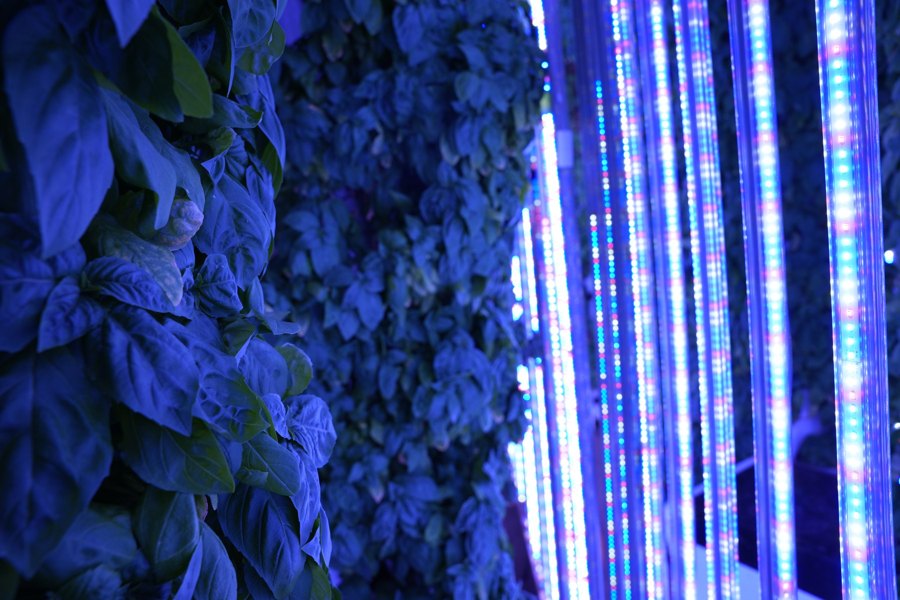
Basil growing columns and vertical LED fixtures inside Sustainabite’s Surrey farm.
Growing columns and lighting in our operating Surrey farm.

Once the direction is clear, we can help define equipment requirements, review designs and supplier proposals, plan layouts and organize sourcing and procurement. The layout needs to accommodate propagation, crop care, cleaning, storage and harvest work, not just the maximum number of plants.

The implementation scope can connect site-readiness tasks, purchases, delivery, installation and commissioning. We agree who handles each part, including supplier and specialist work, so the build sequence and handover are clear. If you already have a plan or equipment, we can start with the remaining decisions rather than redo the whole project.

Work you can use: purchasing requirements, a proposal comparison, layout or design-review notes, and an agreed sequence for preparing and putting the setup into use.

First crop & operator readiness

Prepare people as well as equipment.

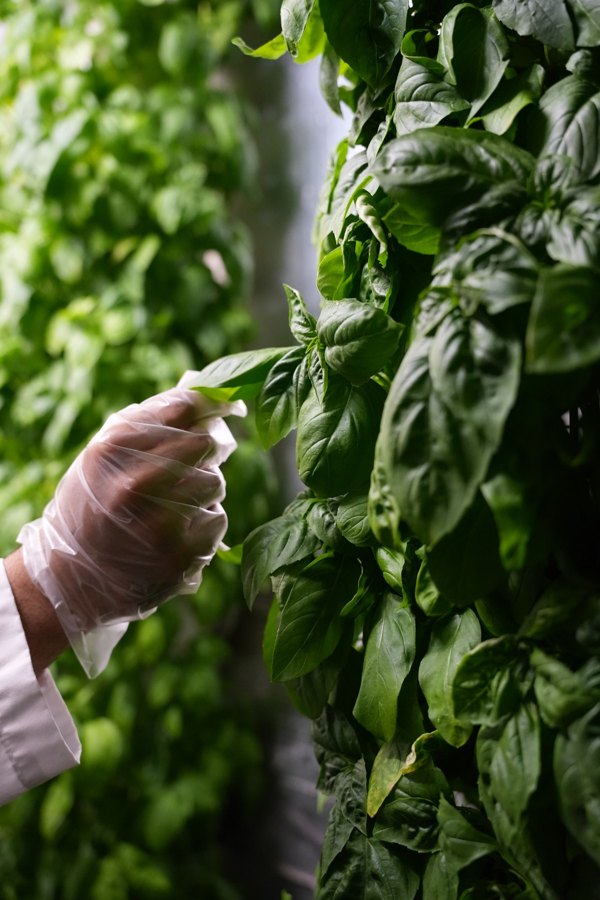
A gloved hand holding a basil leaf on a planted growing column at Sustainabite’s Surrey farm.
Hands-on crop care at our Surrey farm.

Startup work can include readiness checks, commissioning support, hands-on setup and preparation for the first production cycle. We connect the chosen crop plan with propagation, water and nutrient routines, irrigation, growing conditions and monitoring, then help the operator practise the tasks they will repeat.

Training and standard operating procedures (SOPs) can cover crop care, cleaning, observations and records, harvest and packing, and food quality and safety readiness as relevant. Handover brings the instructions, supplies, responsibilities and next checks together. We can also agree continuing support to review the first cycles, work through operating questions or prepare the next change.

Work you can use: practical startup help, a crop-care and task schedule, usable working instructions and training for the people responsible, with follow-through agreed for the next stage.

A staged start, not an all-at-once purchase

Give each investment
a decision checkpoint.

A pilot is useful when it answers a real question. Define what you need to learn, the resources it requires and how you will decide what comes next.

Illustrative planning sequence

A first herb-growing venture in an available space.

A prospective grower has a space in mind and wants to supply local buyers. Rather than start by filling it with equipment, the work could move through these decisions.

  1. 01 · Define the opportunity

    Crop, customer and site

    Clarify buyer requirements, plausible quantities, the usable space and who will do the growing. Identify assumptions and site checks before selecting equipment.

    Decision: which approach is worth developing?

  2. 02 · Size the first stage

    Costs, capacity and a trial

    Compare the setup, recurring costs and labour. Choose a manageable production trial and what it must show about quality, handling, demand and operating work.

    Decision: proceed, revise, wait or stop?

  3. 03 · Prepare to operate

    Sourcing, startup and training

    Organize the agreed purchases and setup tasks. Prepare the crop schedule, practise the operating routines and make responsibilities clear before first production.

    Decision: is this stage ready to start?

  4. 04 · Learn before expanding

    Review the actual cycle

    Use records of saleable output, working time, costs and customer feedback. An agreed follow-through can help compare those observations with the plan.

    Decision: repeat, adjust or expand?

We agree the activities and follow-through around your project’s stage and needs.

Work matched to your next decision

A focused question,
a defined project or continuing support.

You might need a call or written assessment before choosing a site, a design review before ordering equipment, or an implementation plan followed by practical startup and training. We agree the activities and outputs that make sense for your stage.

Share your goal and current position. We review the details to establish a suitable scope and quote, including delivery format, responsibilities, purchased equipment and any supplier or specialist work. Your total project budget and the consulting scope are separate parts of that discussion.

Contact for a quote

Local practical work.
Remote help worldwide.

We are based in Surrey, BC, with in-person support across Greater Vancouver through Chilliwack. We work with projects across Canada and offer remote consulting worldwide. Visits elsewhere can be arranged, with travel and accommodation included in the project quote.

Remote work can use discussions, plans, photographs, video and observations from the person on site. Site work, installation support or hands-on training may need a visit. We match delivery to the work rather than treating every project as remote-only.

The person funding or owning the project may not be its day-to-day grower. We agree who is involved in decisions, who carries out the operating tasks, what is handed over and what support continues after startup.

Before you enquire

Practical questions
about getting started.

Do I need land, a chosen crop or a registered company already?

No. Start with your goal, general location, current stage and the decision you want help with. If you are considering a site or crop, say what is still open. We can establish a useful planning scope without a finished business plan.

Can a small project or home-based business be a starting point?

Yes. A small commercial trial can help test crop care, daily work, handling and customer demand before a larger commitment. The scope should fit the scale and resources available. If you are growing only for personal use, our home-growing help is the more relevant starting point.

Do I have to buy a Sustainabite container farm?

No. We consider the growing approach around your crop, site, budget and operating needs. Consulting can support a greenhouse, hydroponic or aeroponic system, indoor setup or other growing project, including equipment you already own.

Can you help after I have ordered equipment?

Yes. We can review the remaining site and setup requirements, organize agreed installation and commissioning support, prepare the crop plan and routines, and train the operator. We establish how the work fits with support already provided by the supplier.

Will the plan tell me whether the business will be profitable?

Costing can help you compare a project’s assumptions, likely expenses, saleable output and pricing requirements. It can also show what a trial needs to test. The result depends on actual production, costs and sales; a plan helps you make the decision rather than guaranteeing the result.

How much does consulting cost, and what happens after startup?

Contact for a quote. A focused review, a setup project and continuing support involve different work. We agree the scope, delivery and responsibilities before starting, including any follow-through for reviewing production cycles, operating questions or later changes.

Make the next step a practical one

What’s your next step toward getting started?

Tell us what you hope to grow, where, and what you need help deciding or putting into practice.

Discuss Your Growing Project Explore other consulting help

Paid consulting. Scope and fees agreed by quote.